
MAINTENANCE
How to Document Phoenix Roof Storm Damage for Insurance
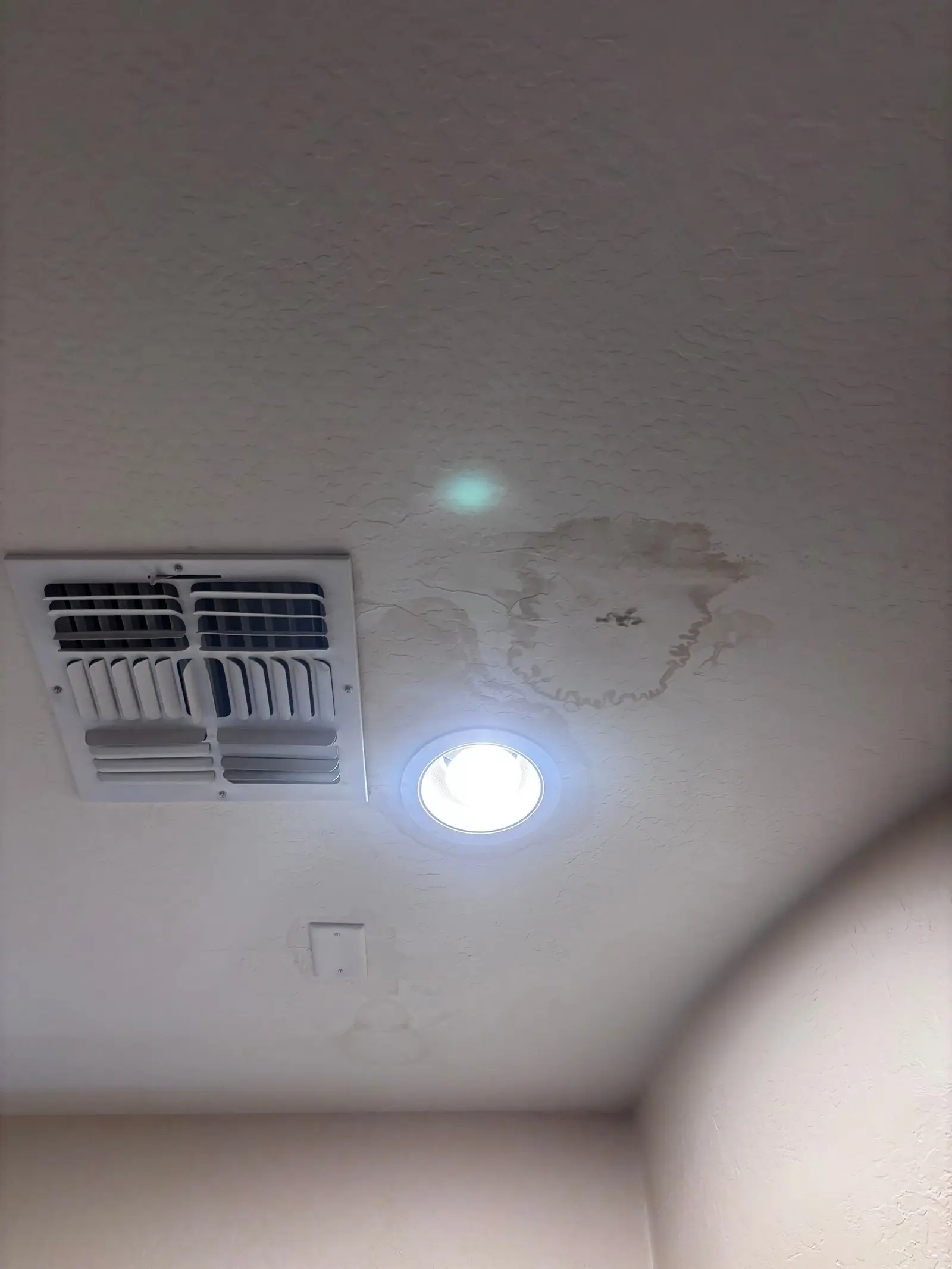
The short answer: record the date and storm details, photograph everything from the ground before anyone touches the roof, and get a roofer’s written inspection report before you call your insurer. Those three steps are most of what separates a smooth claim from a painful one. Here is the full checklist.
The morning after a monsoon storm is when a lot of Phoenix homeowners find out their roof took a hit. Maybe there is a fresh water stain spreading across a bedroom ceiling, maybe a cluster of tiles is sitting crooked on the front slope, or maybe the neighbor’s palm tree ended up on your roof overnight. Whatever it is, the first thing on your mind is usually the same: is this going to be an insurance claim, and what do I need to do to protect myself?
We are roofers, not insurance adjusters, and we cannot tell you whether your specific policy will cover a specific storm. What we can tell you, after a lot of monsoon seasons in the Valley, is that the homeowners who come through the claims process with the least stress are almost always the ones who documented the damage well and early. Good documentation does not guarantee a claim gets paid, but sloppy or missing documentation is one of the surest ways to make the whole thing harder than it needs to be. Here is how we suggest you handle it.
Start With the Date and the Storm Itself
This is the step people skip, and in Phoenix it matters more than almost anywhere else. Monsoon storms here are intensely local. A microburst can slam one neighborhood in Ahwatukee with 70 mile per hour outflow winds and dump an inch of rain in twenty minutes, while a subdivision three miles away stays bone dry. That patchiness is exactly why insurers want to know which storm caused your damage and when it happened.
So before you do anything else, write down the date and, if you can, the rough time the storm rolled through. If you noticed the damage the next morning, note that too. The National Weather Service and local news track monsoon storm dates and wind events for the Phoenix metro, and being able to say “the storm on the night of August 12th” instead of “sometime last week” gives your claim a specific event to attach to. Adjusters distinguish sudden storm damage from slow wear and tear, and a dated storm is your anchor for the sudden part.
If you have a video doorbell or security cameras, check the footage from that night. Wind gusts bending trees, sheeting rain, and debris blowing across the yard all help establish that a real weather event hit your property.
Photograph the Damage From the Ground, Not the Roof
Please do not climb up there. Wet tile is dangerously slick, and walking a tile roof cracks tiles even when it is dry, which means you could create fresh damage that muddies the picture of what the storm actually did. Every photo an adjuster needs from a homeowner can be taken from the ground, from a window, or from inside the attic.
From the ground, walk the full perimeter of the house and shoot the roof from several angles. What you are looking to capture:
- Tiles that have slipped out of alignment, cracked, or gone missing, especially along ridges, hips, and the leading edges where wind gets under them
- Lifted or torn shingle tabs, and any bare spots where shingles blew off entirely
- Debris on the roof, like tree limbs, blown patio furniture, or a neighbor’s roof material
- Bent or detached flashing, fascia, or gutters
- Anything on the ground that came off the roof, such as tile fragments, shingle pieces, or piles of granules washed onto the patio
Take wide shots that show the whole slope for context, then zoom in on each specific problem area. More photos are always better than fewer. You can never go back and re-photograph the roof in its immediately-after-the-storm condition once repairs start.
Do Not Forget the Inside of the House
Roof damage that matters to your wallet often shows up indoors, and interior photos are some of the most persuasive documentation you can have. Water that gets past the roof can travel a long way along a rafter or a deck seam before it drops down and stains a ceiling, so damage may appear a room or two away from where the water actually came in, and sometimes a day or two after the storm.
Photograph every water stain, every spot of bubbling paint or sagging drywall, and any damp or discolored insulation you can see in the attic with a flashlight. If you can safely reach the attic, look at the underside of the roof deck for dark streaks or wet plywood and shoot those too. Put a tape measure or a common object next to a stain so its size is clear in the photo. If the ceiling is actively dripping, get a short video, because motion tells a story a still photo cannot.
Protect the House From Further Damage, and Document That Too
Most policies expect you to take reasonable steps to prevent the damage from getting worse after a storm. That does not mean climbing up to do repairs yourself. It means simple, safe things like putting a bucket under a drip, moving furniture and electronics away from the leak, and pulling up a rug before it soaks through.
Keep any receipts for tarps, buckets, or a temporary fix, and photograph what you did. If you hire a roofer to install a temporary tarp or make an emergency-stabilizing repair before the full assessment, save that invoice as well. Those reasonable-mitigation costs are part of the record, and having them documented keeps everything clean when you talk to your carrier.
Get a Professional Roof Assessment
Homeowner photos establish what happened. A professional assessment explains it in the language an adjuster works in, and it catches the damage you cannot see from the ground. This is where a roofer earns their keep on a storm claim.
When we do a post-storm roof inspection, we get up top safely, lift tiles where needed to check the underlayment, examine every flashing joint and penetration, and document what we find with our own photos and a written report. Just as importantly, we can tell the difference between storm damage and pre-existing wear, which is the exact distinction your insurer cares about. A tile knocked loose and cracked by a wind gust is storm damage. Underlayment that has been baking brittle under the tile for eighteen years is age, and no honest roofer or adjuster is going to call that a covered storm loss. Confusing the two is how claims get denied, and separating them clearly is how you keep your credibility intact.
For tile roofs, which is most of the Valley, that assessment lives alongside our regular tile roof repair work, so we are documenting the same failure points we fix every week. For shingle and metal roofs, our storm damage repair crews do the same. Either way, you get a clear picture of what the storm did before you are on the phone with your insurance company.
One thing worth saying plainly: be careful about who you let on your roof after a storm. Monsoon season brings out-of-state storm chasers who knock doors, promise the moon, and pressure homeowners into signing over their claim. In Arizona, any roofer doing this work should carry a current ROC license, and you can verify it in a couple of minutes on the Registrar of Contractors website. Ours is AZ ROC #161685. Checking a license before you sign anything is the cheapest insurance you will ever buy.
Keep Everything in One Place
By the time you actually file, you may have dozens of photos, a couple of videos, a few receipts, and a roofer’s report. Keep it all together in one folder on your phone or computer, labeled with the storm date. Write down a short timeline while it is fresh: when the storm hit, when you noticed the damage, when you photographed it, and when you had it assessed. When your adjuster asks a question three weeks later, you will be glad you did not have to reconstruct it from memory.
If you want a simple routine to follow every monsoon season, our Phoenix monsoon roof checklist walks through both the before-season prep and the after-storm walkthrough, so the documentation step becomes second nature instead of a scramble.
Frequently Asked Questions
How long do I have to file a roof claim after a monsoon storm in Arizona?
Deadlines vary by policy, so read yours or ask your agent, but the practical answer is to move promptly. Water keeps doing damage to the deck, framing, and insulation after the storm clears, and the longer visible damage sits, the easier it is for anyone to argue it is wear rather than a storm event. Documenting right away and starting the conversation early works in your favor.
Will my insurance cover monsoon roof damage?
It depends entirely on your policy and the cause of the damage, and we cannot speak for your carrier. Sudden, accidental storm damage is generally treated differently from gradual wear and tear like aged underlayment. What helps in any claim is exactly what this guide covers: a dated storm event, clear photos, and a professional assessment that separates the storm damage from any pre-existing condition.
Should I get on my roof to take pictures of the damage?
No. Wet tile and shingle are slick, and walking on tile can crack it and create new damage. Everything an adjuster needs can be photographed from the ground, from a window, or from the attic. Leave the on-roof assessment to a licensed roofer with the right footwear and harness.
Do I need a roof inspection before I file a claim?
You are not required to, but a professional assessment strengthens your documentation and tells you whether the damage is even worth a claim in the first place. It also catches hidden damage, like a lifted flashing edge or a cracked vent boot, that you would never spot from the driveway.
A roofer knocked on my door after the storm offering a free inspection. Should I let them?
Be cautious. Legitimate local roofers do storm inspections, but monsoon season also draws door-knocking storm chasers who pressure homeowners into signing contracts or claim paperwork on the spot. Verify any contractor’s AZ ROC license before you sign anything, and never feel rushed. A reputable company is happy to let you check them out first.
Start on Solid Ground
A monsoon storm is stressful enough without a claims process that feels like a maze. The homeowners who navigate it most smoothly are the ones who slowed down for an hour the morning after, took good photos, wrote down the date, and got an honest professional look before picking up the phone. If a recent storm left you wondering what your roof actually took, we are glad to come out, get on the roof safely, and give you a clear, documented picture of where things stand. Call Pinnacle Roofing at (623) 792-5497 to schedule a free inspection.